When should a transactional team use draft, version, or date stamps on contract PDFs?
Litigation teams stamp for the record. Deal teams stamp to prevent the wrong version from being signed. Here is a practical approach to draft, version, and date stamping in a transactional practice.
The problem draft stamps actually solve
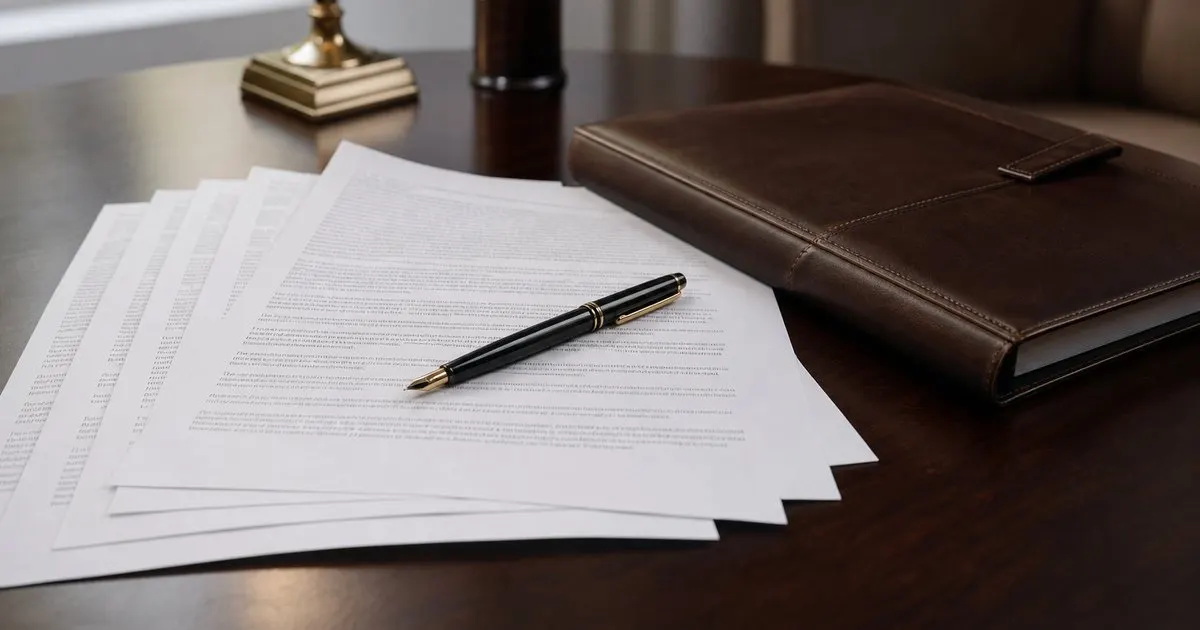
In a deal, the same agreement may go through a dozen or more turns between parties, each with changes that are easy to miss. The risk is not losing track of the document; it is someone signing, forwarding, or relying on a version that is not the current one. A visible draft stamp on every page is a low-cost guard against that. It tells anyone who opens the file, including a client who prints it at home, that this is not the execution version, and it makes the absence of the stamp on the final meaningful. Related: How can a small legal team batch-stamp thousands of pages without losing a whole day?
Draft markings can also matter legally. A page marked as a draft is harder to characterize later as a final offer or an agreed term, and the marking can be relevant when a dispute turns on whether the parties intended to be bound. That is not a substitute for clear language in the document itself, but it is a reason to be deliberate about applying the stamp to every page of a working draft and removing it only when the parties agree the document is final.
Keep reading: What exactly is Bates numbering and why do law firms rely on it for documents?, How do you keep Bates numbering consistent across multiple separate document productions?, When should you apply confidential or privileged watermarks to a batch of documents?. See how PdfStampr helps you bulk pdf stamping and bates numbering.
Choosing between draft, version, and date stamps
The three do different work. A draft stamp is a status flag: it says the document is not final. A version stamp identifies which iteration this is, typically a number or a label describing the turn from one side. A date stamp records when this iteration was circulated. Many teams combine version and date in a single footer line, such as a version label followed by the circulation date, and reserve a large diagonal draft watermark for the status flag. The combination lets a reader know at a glance both that the document is a draft and which draft it is.
Which to use depends on how the team tracks turns. If the document management system already assigns version numbers reliably, stamping the version number into the PDF at export keeps the file and the system aligned. If turns are tracked by date in email threads, a date stamp is more useful to the people who will actually be comparing drafts. Avoid stamping a version label that does not match the system's version, because a mismatch creates exactly the confusion the stamp was meant to prevent. Related: What exactly is Bates numbering and why do law firms rely on it for documents?
Placement, size, and readability for deal documents
Unlike litigation stamps, deal document stamps are read by clients and counterparties who are not accustomed to reading margins. A diagonal, light gray draft watermark across the page body is highly visible without obscuring text, and it survives printing on a monochrome office printer. Keep it light enough that black text remains readable over it, and test on a printed copy, because screen rendering tends to make a watermark look lighter than it will print. Related: How do you keep Bates numbering consistent across multiple separate document productions?
Version and date information belongs in a footer, in a small but legible font, on every page. Putting it only on the first page is a common shortcut that fails as soon as a single page is separated, which happens constantly with signature pages. If the firm already uses a document number or matter reference in the footer, add the version and date next to it rather than creating a second footer line that may collide with page numbers.
Removing stamps for execution and keeping the trail
When the parties reach a final version, the draft watermark must come off, but the way it comes off matters. Regenerate the execution PDF from the source document without the watermark rather than trying to strip it from the stamped PDF, because stripping can leave artifacts and, depending on how the watermark was applied, may not fully remove it. The execution version should still carry a footer identifying it as the execution copy with its date, so it can be distinguished from earlier turns.
Keep every stamped draft. The sequence of stamped versions is the record of the negotiation, and it is often needed later to answer questions about when a term changed or which side introduced language. Store the drafts with their stamps intact in the matter file, in order, and keep the source documents alongside them. A batch stamping process that names output files with the version and date makes this archive nearly self-organizing. Related: When should you apply confidential or privileged watermarks to a batch of documents?
- A draft stamp on every page prevents the most common transactional error: acting on a version that is not the current one.
- Use a large light watermark for draft status and a small footer line for version and date; make sure the version label matches your document system.
- Test the watermark on a printed monochrome copy so it stays visible without hiding text.
- Regenerate the execution copy from the source rather than stripping the stamp, and archive every stamped draft in sequence.

Julien Jimenez
Julien Jimenez is an independent software builder based in Paris. He designs, ships, and operates focused SaaS products for small businesses and independent professionals. Read the full author page.
Bates Numbering Without The Headache
Bulk PDF stamping and Bates numbering. PdfStampr is built to help you put this into practice.
Start free trialMore from the PdfStampr blog


Get the PdfStampr playbook
Practical guides on legal document ops, straight to your inbox as we publish them. No spam, unsubscribe any time.